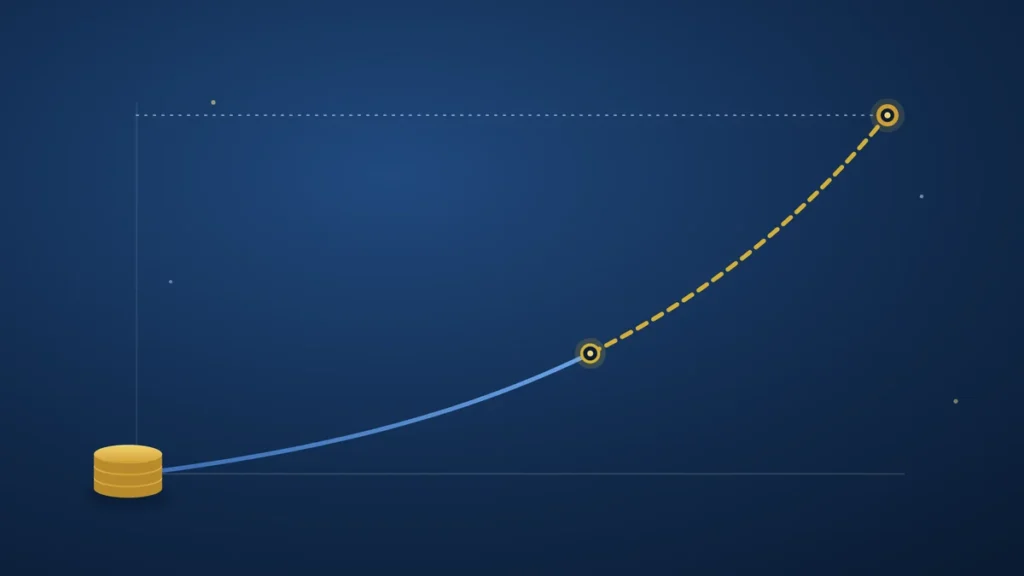
Coast FIRE Explained: When Can You Stop Saving for Retirement?
Learn how Coast FIRE works, how to calculate your Coast FIRE number, and when your investments may be able to grow toward retirement without new contributions.
The latest articles and guides from The Financial Compass.
Learn how Coast FIRE works, how to calculate your Coast FIRE number, and when your investments may be able to grow toward retirement without new contributions.

Earning more but saving less? Learn how lifestyle inflation quietly eats up pay raises and discover practical ways to build wealth without sacrificing your lifestyle.

The first $100,000 is the hardest. Why compound growth makes wealth build faster over time, how much to save each month, and nine practical steps to get there.

FIRE means Financial Independence, Retire Early. How it works, the five types (Lean, Fat, Coast, Barista, Traditional), your FIRE number, and the risks of retiring early.

Financial independence means covering your living expenses without depending on a job. A practical 10-step guide to your FI number, saving, debt payoff, and investing.

Roth vs traditional 401(k) comes down to when you pay taxes. How they compare on taxes, limits, matching, and withdrawals, and which may fit your situation.

Index funds and ETFs overlap: one describes a strategy, the other a structure. How they differ in trading, fees, taxes, minimums, and automatic investing.

Social Security is a key part of retirement income. How benefits are calculated, when to claim, how spousal and survivor benefits work, and how benefits are taxed.

How to calculate a risk-to-reward ratio, what break-even win rates it implies, and why the ratio means little without probability, costs, and discipline.

How 401(k) matching formulas work, how much to contribute for the full match, vesting schedules, true-ups, and the 2026 contribution limits.